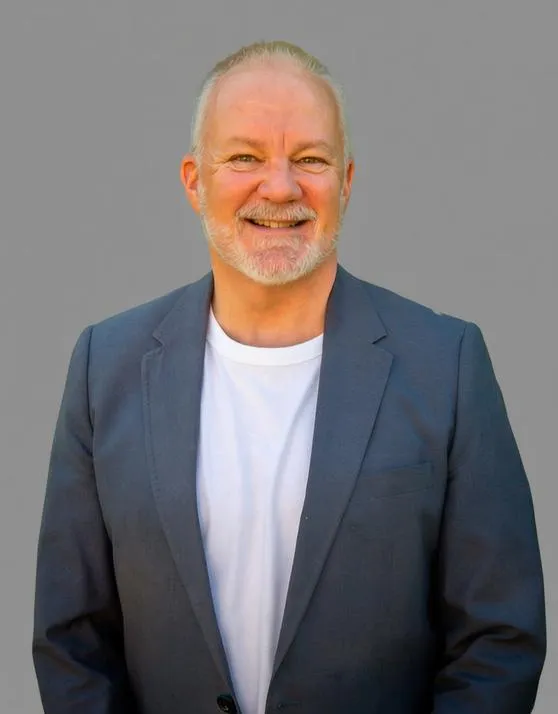
Mark brings over two decades of experience delivering mental health and wellbeing services across community mental health, specialist trauma services, justice settings and community-based programs. He works with adults experiencing a broad range of mental health concerns, including trauma, anxiety, mood disorders, grief, workplace stress, neurodivergence and complex psychosocial challenges.
His practice is trauma-informed, person-centred and strengths-based, with a strong focus on creating a safe and collaborative therapeutic environment. Mark works alongside clients to better understand their experiences, strengthen emotional regulation, and develop practical strategies that support long-term wellbeing and recovery.
Mark supports people experiencing:
He has particular experience supporting individuals with complex trauma and those navigating significant life challenges, helping clients build resilience, emotional regulation and confidence through practical, evidence-based strategies.
Mark uses evidence-based therapies tailored to each person's individual needs and goals. His approach is collaborative, practical and grounded in trauma-informed practice, creating a safe and respectful environment where clients feel heard, understood and empowered.
He draws upon Cognitive Behavioural Therapy (CBT), Acceptance and Commitment Therapy (ACT), Mindfulness-Based Therapies, Trauma-Informed Practice and Solution-Focused Brief Therapy. Mark has completed advanced training in Level 2 ACT, Trauma-Informed ACT and ACT for Neurodivergence, enabling him to adapt therapy to suit a diverse range of clients and presentations.
"I believe lasting change happens when people feel safe, heard and supported. My approach is warm, collaborative and practical, helping clients build on their strengths, develop effective coping strategies and move forward with greater confidence and resilience."

Yes. Information shared in sessions is confidential and handled in line with our privacy obligations. We will let you know in advance about the small number of circumstances where we are required to share information (for example, where there is risk of serious harm).
Both. Telehealth is available across Australia. In-person sessions are available in Victoria, New South Wales and Queensland.
You do not need a referral to book with us. A Mental Health Treatment Plan from your GP may allow you to claim a Medicare rebate for sessions with an Accredited Mental Health Social Worker. If you would like one, your GP can prepare it for you.
Our session fees and current Medicare rebate amounts are available on our booking page. For some clients, seeing an AMHSW under Medicare may reduce out-of-pocket costs.
This is social work support delivered within a supervised practice. Medicare-funded clinical care is available with our Accredited Mental Health Social Workers. If you are looking for non-clinical wellbeing support, our Wellbeing Coaches sit in a separate service.
Yes. Our practice is trauma-informed and recovery-oriented. You are never pushed to share more than you are ready for, and we work with you at the pace that feels right.
Both can support people experiencing mental health challenges. Under a Mental Health Treatment Plan, Medicare rebates may be available with eligible psychologists and Accredited Mental Health Social Workers. A social worker often brings a particular strength in working with trauma, family and relationships, and in helping you navigate the systems and services around your situation. A psychologist often brings particular depth in diagnosis, assessment and structured therapy. We can help you think through which suits you best.